Table of Content
It keeps your data in sync across client apps through realtime listeners and offers offline support for mobile and web through their native SDKs. Firestore also pairs with Firebase Authentication to control access to data through built-in security rules. We’ve been working with device brands around the world to ensure the Assistant works with all the most popular smart home devices.
If you're looking for a smart home that makes life easier but leaves out the more costly bells and whistles, a middle ground smart home would be the way to go. This home keeps all of the essential devices listed above, but upgrades security, entertainment and a few other categories. We break down the costs of building a fully connected Google smart home, with smart cameras, bulbs and more. The updated Google Home platform helps you get the most out of your devices. Thread is the latest wireless mesh technology, designed to make your smart devices more connected and reliable.
What is DevOps, Continuous Integration, Continuous Delivery, Continuous Deployment… Do they differ…
Enter a name for the project, such as "HomeAssistant" and then choose your language and country. Modernize your home with the latest news on smart home products and trends. With all three security products factored, our cost so far is $705. The Google Nest Mini is an affordable little speaker that's packed with cool features.
Join the Public Preview to try new Google Home app features early. As a good place to start -- you can set them up from the Google Home app and they're very responsive. Once you do expand, you don't have to worry about overlap.
Enable Request Sync
Implement the requestsync function in functions/index.js to call the HomeGraph API. The HomeGraph API enables the storage and querying of devices and their states within a user's Home Graph. To use this API, you must first open the Google Cloud console and enable the HomeGraph API. The EXECUTE intent handles commands to update device state. The response returns the status of each command—for example, SUCCESS, ERROR, or PENDING—and the new device state.
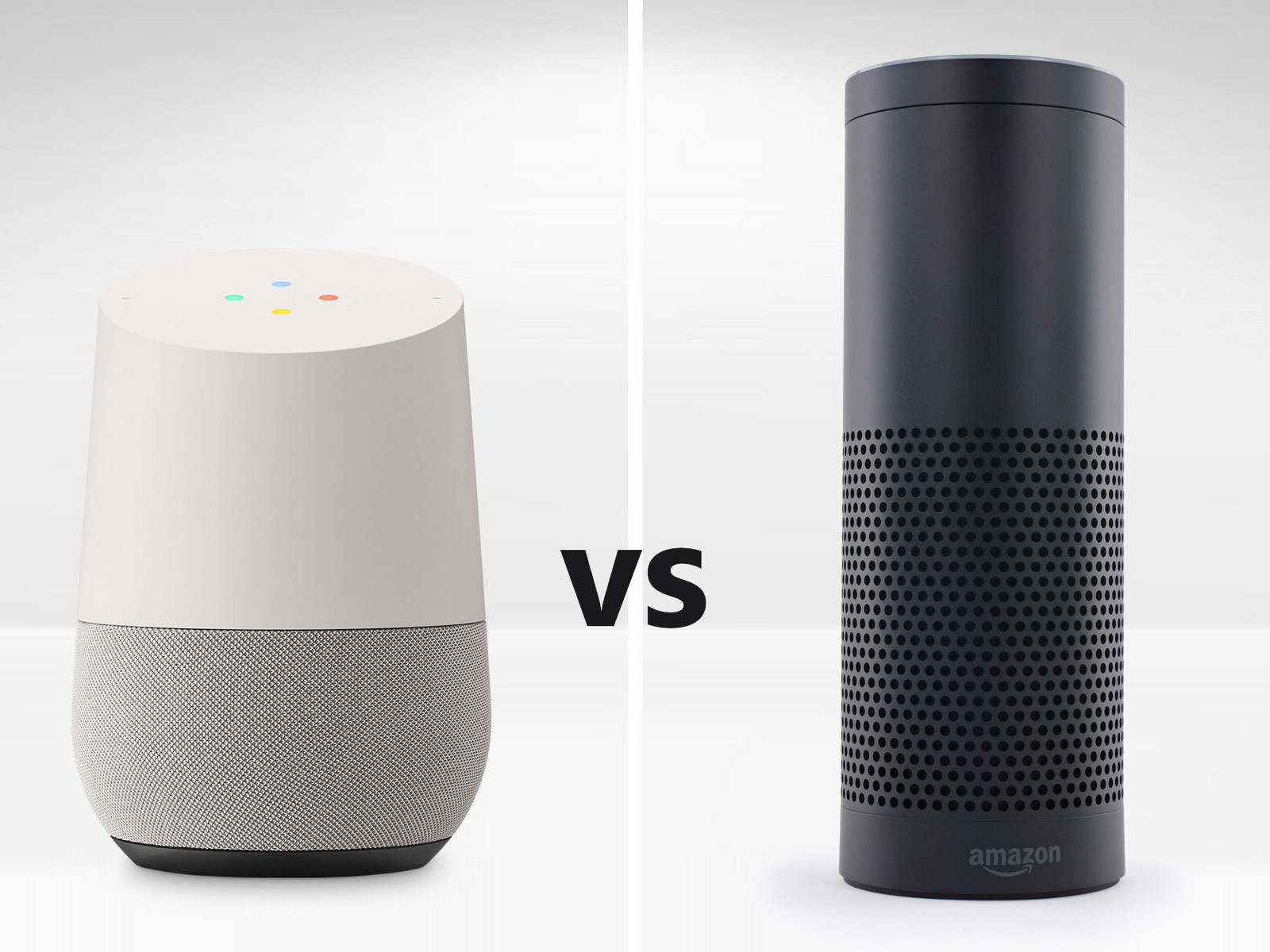
We recently announced support for IKEA lights and Deutsche Telekom’s Magenta hub which enables dozens of devices to be controlled by Google Assistant. You have fully integrated your cloud service with the smart home intents, enabling users to control and query the current state of their devices. However, the implementation still lacks a way for your service to proactively send event information—such as changes to device presence or state—to the Assistant.
More Google-centric recommendations:
Lock the front door, arm the security system, and turn on your cameras at the same time each night – automatically. Set the speaker to play your favorite party music on Friday evenings.2 Have your TV turn on when the living room lights go dark for movie night. You can further differentiate your gadgets by separating them into rooms. Google will prompt you to add devices to a room during setup. Once set up, you can tap on the name of the device in the Google Home app then click the gear icon in the upper right corner to add a device to a room or shift it to a new one. However, a smart speaker or a smart display lets your whole family control the home without needing access to your phone.

This is sent to your service when the user links an account. You should respond with a JSON payload of all the user's devices and their capabilities. Web & App Activity - In addition, be sure to select the Include Chrome history and activity from sites, apps, and devices that use Google services checkbox.
Laravel multiple API Resources for same model
We're excited to announce that Google Nest and Android users can now enjoy your Matter-enabled devices and apps! Plus, the Google Home app on Android can support setup and control with Google. Even better, you can also integrate Google Assistant to control all the entities and smart devices configured in your Home Assistant via your voice commands for free. Since Firestore represents the source of truth for device data, client applications only need to interface with the Firebase SDK to authenticate users and manage devices. Users can view their devices by listing the documents in the devices collection where their account matches the owner field.

By separating the configuration and state into two documents, we ensure that successful updates received from the device don’t trigger the same logic. This simplifies the function logic and creates a nice separation outgoing and incoming data flows. With the Google Assistant we’re working to make this experience a lot better, so you can easily control all the devices and appliances in your home with just your voice.
A QUERY intent occurs when the Assistant wants to know the current state or status of a device. You should respond with a JSON payload with the state of each requested device. If you do not see "Test now enabled", click Reset Test to verify testing is enabled. Now that you have installed the dependencies and configured your project, you are ready to run the app for the first time. You can use the default location for the database instance. On the Overview screen in the Actions console, select Smart home.

This will initialize the necessary APIs and features for your project. The Firebase Command Line Interface will allow you to serve your web apps locally and deploy your web app to Firebase hosting. Choose the Smart home experience card, click Start Building, and you will then be directed to your project console. Home Graph REST A REST API for the Home Graph database. Samples Browse the complete list of Cloud-to-cloud samples.
Delivering 4,500-square feet of coverage,this 802.11ac mesh Wi-Fi systemfrom Google offers 1.2Gb/s speeds and integrates with the rest of your Assistant setup for easy setup and control. For each command and target device, update the values in the Realtime Database that correspond to the requested trait. Modify the updateDevice function to update the appropriate Firebase reference and return the updated device state. In functions/index.js, edit the QUERY handler to process the list of target devices contained in the intent request.
Now you can begin implementing the webhooks necessary to connect the device state with the Assistant. This command deploys a web app, along with several Cloud Functions for Firebase. Navigate to the functions folder and install all the necessary dependencies using npm.
This enables testing through Google Assistant surfaces and the Google Home app that are signed in to the same account. An DISCONNECT intent occurs when the user unlinks their account from the Assistant. You should stop sending events for this user's devices to the Assistant. An EXECUTE intent occurs when the Assistant wants to control a device on a user's behalf. You should respond with a JSON payload with the execution status of each requested device. This web UI represents a third-party platform to view or modify device states.


No comments:
Post a Comment